
Why Did MAPPA Self-Finance the Chainsaw Man Anime? Solo Company vs. Multi-Partner Company
11/4/2022
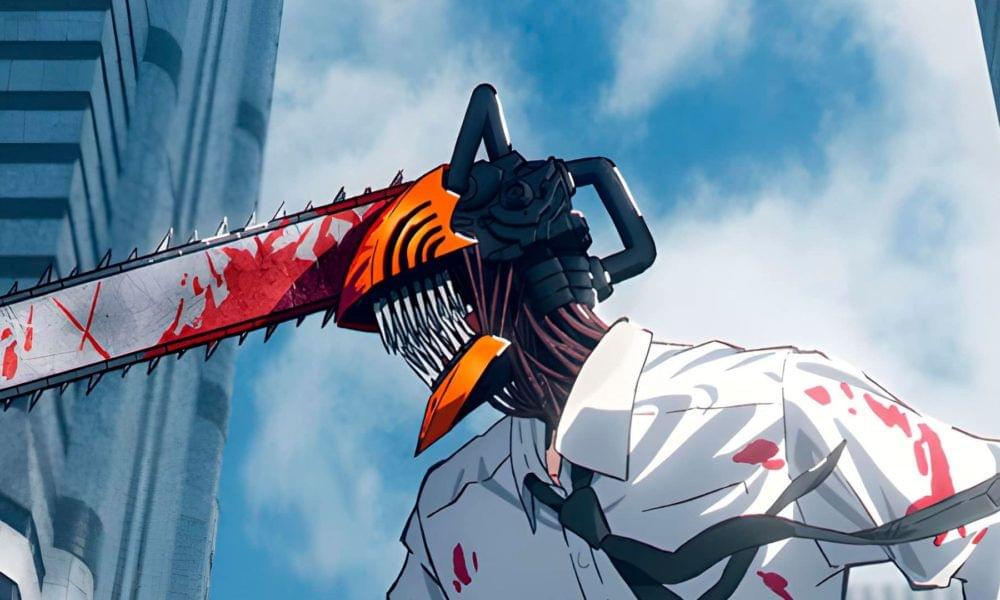
Chainsaw Man has kept delivering surprises and buzz to fans since it started airing.
After finally watching episode 1's ending theme "Chainsaw Blood" play out and seeing the big "MAPPA" logo appear, amid the excitement, I suddenly thought —
Wait, shouldn't this say "Chainsaw Man Production Committee"?
If you watch a lot of anime, you've probably heard of the "production committee" (製作委員会) model — Attack on Titan has the Attack on Titan Production Committee, SPY×FAMILY has the SPY×FAMILY Production Committee, and so on.
Curious, I looked into it.
A production committee is a common structure in Japan for producing anime, games, and films — publishers, TV stations, animation studios, distributors, advertisers, and other companies each contribute funding and form a committee to jointly produce and distribute the work.
More money makes things easier to get done, but sharing the profits gets complicated — and with so many stakeholders having put in money, you can't always do things exactly one party's way.
So what do you do in that case?

With a powerful IP like Tatsuki Fujimoto's, MAPPA decided to self-finance! Choosing its own voice cast, its own music, its own style! Success would prove MAPPA's capabilities; failure would be entirely on them, with fans ready to complain.
MAPPA's decision made me think of a common dilemma entrepreneurs face.
Should you set up a solo company, or co-fund one with friends?
The upside of a solo company is that you make every decision yourself, fast and decisive — you're the sole shareholder, and you bear both success and failure alone.
When you co-run a business with friends or other investors, if you've put in less money than others, decision-making power generally shifts to them. (Of course, in practice there are workarounds, like issuing preferred shares or using a limited partnership structure.)
But "a person walks fast, a group walks far" — it's not that having no money and wanting to power through recklessly works, nor that having money guarantees success. How you run the company is something to think through carefully before starting.
Who knew watching an anime could turn into a conversation about how to start a company, lol.
As for whether Japanese anime production committees actually form a legal entity, or how they handle taxes and operations — honestly, I couldn't find much information. Just as Taiwanese company shareholder lists aren't fully disclosed, production committees don't publish the full list of contributing companies either — the information is hard to come by.
Ultimately, the release of anime, music, or any creative work is essentially a business strategy experiment each time — but sometimes even when a work becomes a hit and merchandise sells well, the original creator doesn't necessarily get a proportionate return.
We'll talk another time about the relationship between creators and their works, along with this year's hot keyword, NFTs — otherwise this post would run too long. See you next time~
Have questions about this article or your company's situation? Feel free to get in touch.
Book a Consultation